
Teenvesting 101: Securing the Future One Peso at a Time
A saying goes, “Every peso counts.” However, in a special talk entitled “Teenvesting: A Guide to Early Investing,” Financial Advisor Mr. Warner Lee stressed that every peso is a choice.
Helping the Grade 9 students to recognize the choices they have already made, Mr. Lee officially began the talk by asking a series of questions. He asked who among them had already started saving. Several students raised their hands, but as the speaker asked about earning and investing, a number of these hands gradually dropped. Less than a handful of students have already started earning. These questions, nonetheless, guided the students in assessing where they currently are in terms of managing their finances.
Saving vs. investing
To save or to invest—that is the question.
Mr. Lee addressed this question by discussing the difference between saving and investing. He explained that saving is keeping money safe, while investing is helping money grow and beat inflation. The financial advisor also gave guides for saving and investing.
For saving, tracking is an essential step. Mr. Lee encouraged the students to track their expenses as well as their income (i.e., allowance). He also encouraged them to follow one of the simplest formats in managing finances: 50% of the income for spending, 30% for saving, and 20% for investing. However, he also noted that they should save first before spending the rest of their income. They can also adjust these percentages based on their priorities, according to him.
Investing, meanwhile, requires more careful consideration. In a guide to investing that Mr. Lee shared, he revealed that investing starts with identifying our goals. Further reinforcing that investing is saving with direction, the speaker emphasized determining how much you are willing to invest and for what purpose. Investing also considers time and one’s risk appetite. How long do you want to invest? How much risk are you willing to take? Those are the questions investors need to consider carefully. In terms of risk appetite, Mr. Lee shared several investment options based on their risk profile. For low-risk options, he mentioned investing in traditional and digital banks, the stock market, and Unit Investment Trust Funds (UITFs). For investment types with medium risk, he spoke about investing in gold and crypto assets. Lastly, he listed mutual funds, family business and online business as high-risk investments. Grade 9 students were especially invested in this part of the talk. Most of their questions in the Q&A portion were about the use of Bitcoin as a cryptocurrency and the general risk of investing. One student asked if investment is like gambling. Mr. Lee clarified that while investing is a risky action where one can earn and lose money, it is not gambling because “gambling is an irresponsible way of utilizing money”.
Assurance in insurance
Protection as recovery
Highlighting vigilance and taking precautions, Mr. Lee discussed the investment red flags everyone should watch out for. He warned against believing in investments that promise guaranteed profits and doubling our money fast. He also advised the students to avoid borrowing money for investment purposes, as well as making investment decisions just because social media and friends are doing it.
Spotting investment red flags is not the only protection to safeguard financial assets. Mr. Lee explained that insurance is a good protection from unfortunate situations. It can cover a portion of what was lost from unforeseen events like accidents, hospitalization, crime, calamities or even sudden death. While insurance may not pay back all of the losses, it can at least offer an assurance for a more manageable recovery. As the financial advisor recommended everyone to get life insurance, he also explained that insurance can also be obtained in tranches. One can have as many insurance plans in the same company or product, or diversify them like in investing.
Time is money
“The best time to invest was yesterday; the second best time is now.”
Mr. Lee closed his talk by emphasizing the value of starting early. He stressed that the superpower that adults cannot buy but Grade 9 students have is more time. The earlier they save and invest, the more money they can have in the future.
This Teenvesting talk explored more than just saving, investing, and getting insurance. The Grade 9 students also witnessed how their Unit 4 Individuals & Societies lesson on monetary policies plays out in real life.











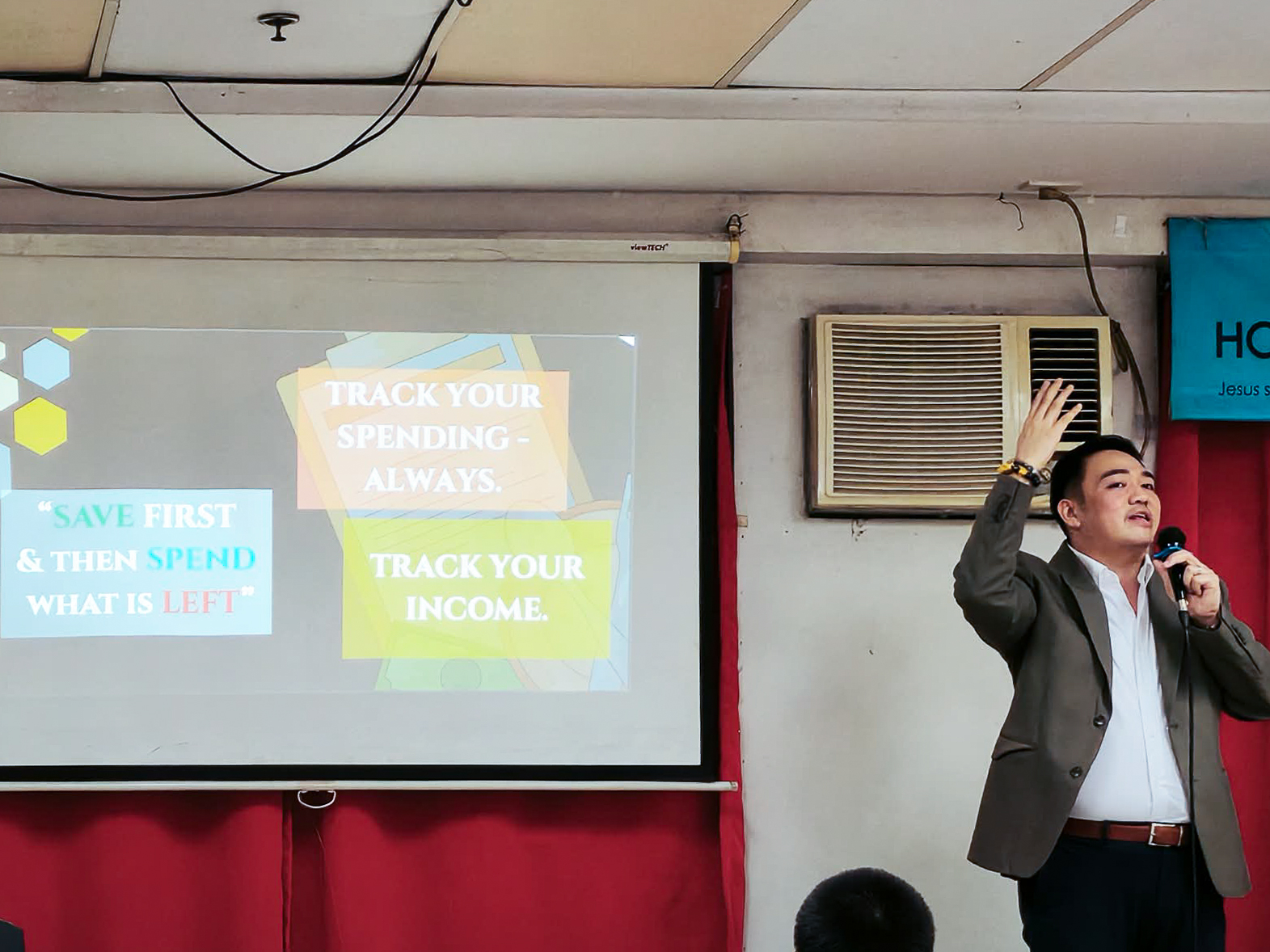
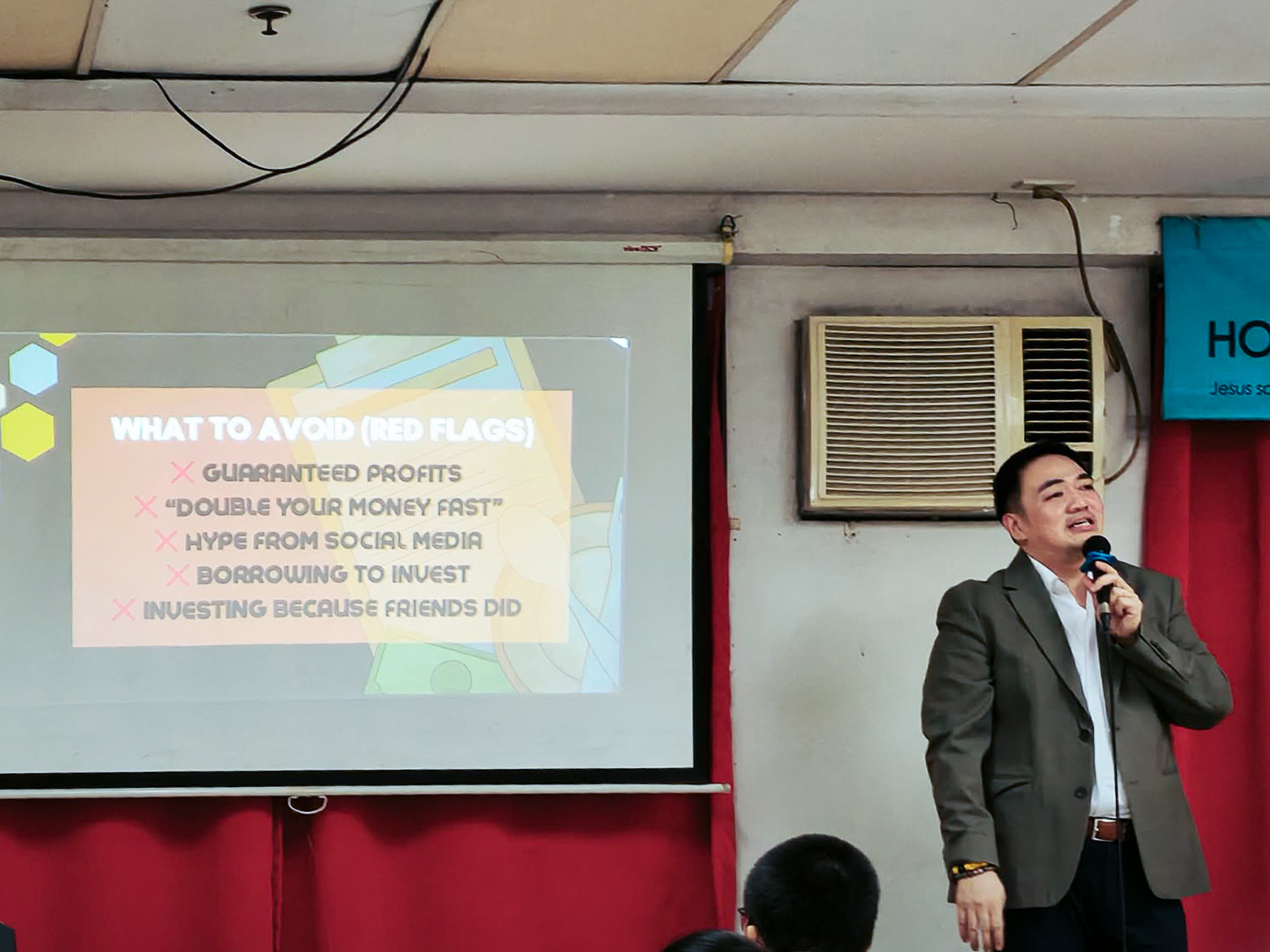
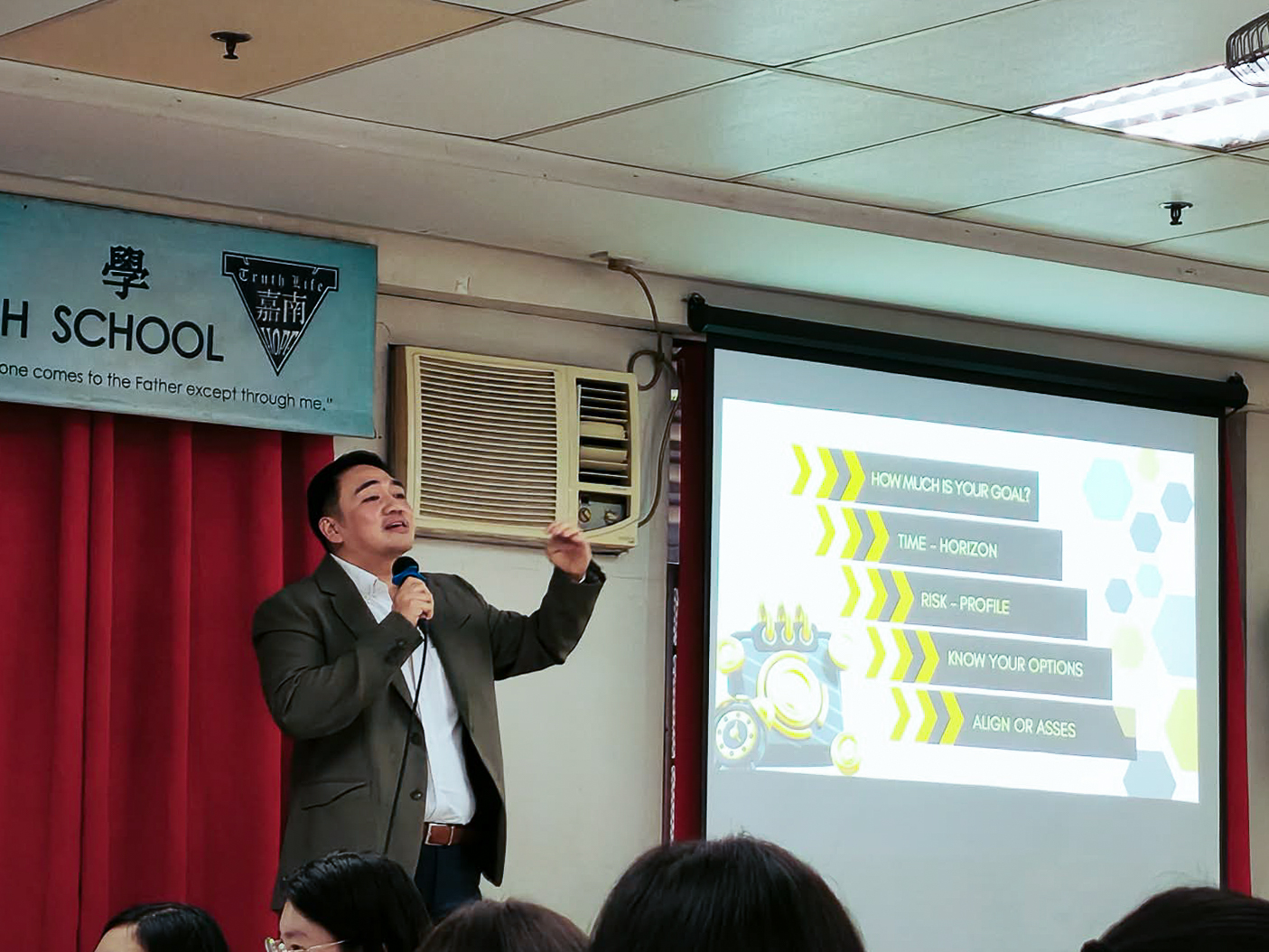
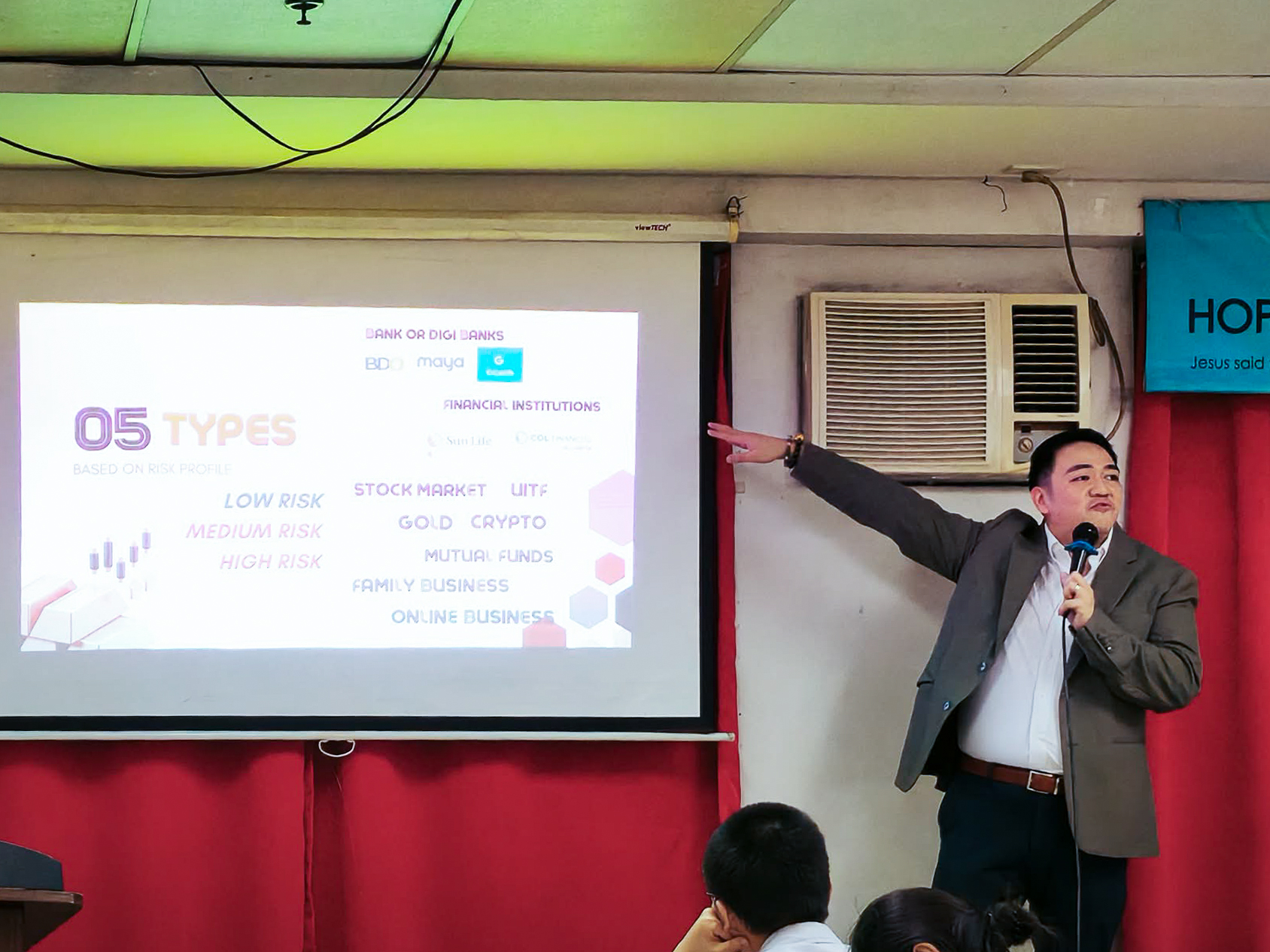

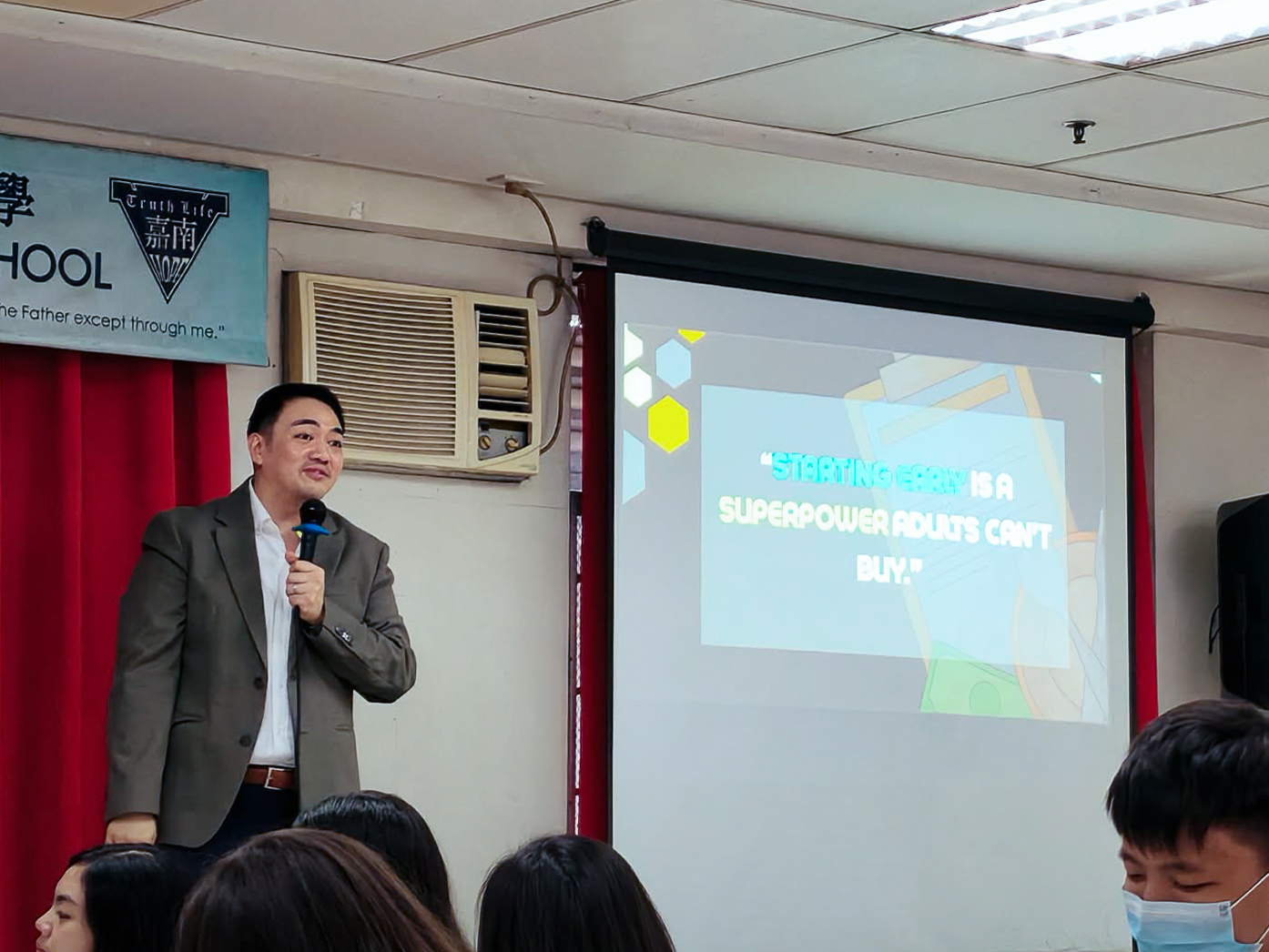










Mr. Warner Lee’s talk on early investing